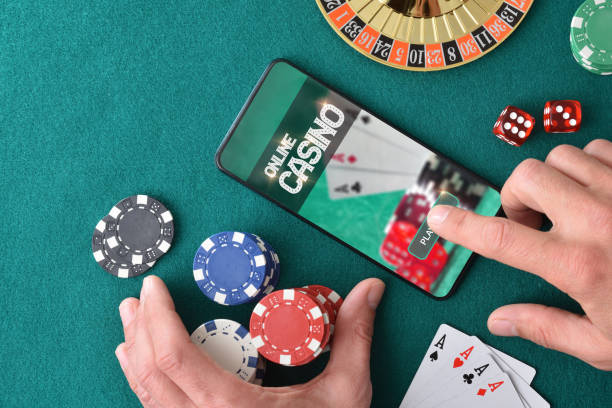

In today’s digital age, online gaming has become a popular form of entertainment enjoyed by millions worldwide. While it offers numerous benefits such as social interaction, cognitive skill development, and stress relief, it can sometimes spiral into a problematic behavior that negatively impacts an individual’s life. Recognizing when online gaming becomes a problem is crucial to addressing the issue before it leads to serious consequences.
One of the primary signs that online gaming may be becoming problematic is when it starts interfering with daily responsibilities. This includes neglecting work, school assignments, or arab online casinos household chores in favor of spending excessive time playing games. When someone prioritizes gaming over important commitments consistently, it indicates a shift from casual enjoyment to compulsive behavior.
Another key indicator is the loss of control over gaming habits. If an individual finds themselves unable to limit their playtime despite repeated attempts or promises to cut down, this lack of self-regulation signals potential trouble. They might experience strong urges or cravings to play and feel restless or irritable when unable to access games.
Social withdrawal also serves as a warning sign. When gamers isolate themselves from family and friends or reduce face-to-face interactions because they prefer virtual worlds instead, their social well-being may be at risk. Healthy relationships often suffer as communication diminishes and real-life connections weaken due to excessive gaming.
Physical symptoms can accompany problematic gaming behaviors as well. Poor sleep patterns caused by late-night sessions lead to fatigue and decreased concentration during the day. Additionally, prolonged screen time without breaks can result in headaches, eye strain, and poor posture-related issues.
Emotional changes are equally important indicators. Increased irritability, anxiety, mood swings, or feelings of depression linked directly with gaming habits suggest underlying problems needing attention. Some individuals use online games as an escape mechanism from real-life stressors; however, relying on this coping strategy excessively may worsen emotional health rather than improve it.
Financial difficulties might arise if players spend large amounts of money on in-game purchases compulsively without regard for budget constraints. This impulsive spending behavior further highlights loss of control related to gaming addiction tendencies.
To address these concerns effectively requires honest self-reflection and open communication with trusted individuals such as family members or mental health professionals who specialize in behavioral addictions. Setting clear boundaries around gameplay duration and ensuring balanced engagement with other activities like exercise or hobbies promotes healthier habits.
Recognizing when online gaming shifts from harmless fun into a problem involves observing changes in responsibility management, self-control ability, social engagement levels, physical health status, emotional stability,and financial decisions related to gameplay.In doing so early intervention becomes possible which ultimately supports better overall well-being while preserving the positive aspects that make online games enjoyable for many people worldwide